
 ZH
ZH  EN
EN  MS
MS 
Traffic is King:
Shifts in Consumer Behavior in the E-commerce Era and How Businesses Should Respond
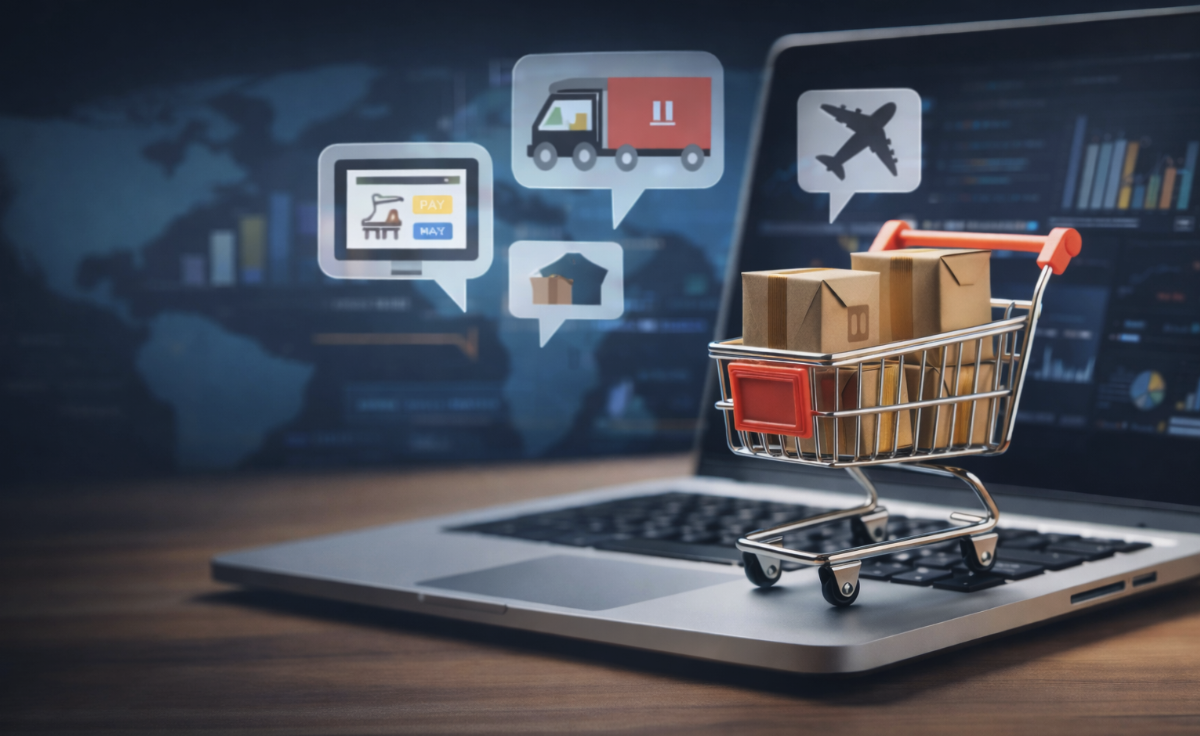
In recent years, consumer shopping behavior has changed significantly. According to IPSOS’s E-commerce Landscape in 2025, global online retail sales are expected to exceed $4.3 trillion by 2025, maintaining strong growth. This trend reflects a fundamental shift in consumer behavior, with higher internet penetration and increased trust in online platforms are driving more consumers to shop online.
Even products that traditionally rely on offline experiences are being pushed toward online channels. For businesses, this means competition is no longer just about product quality, but about who can efficiently acquire and retain traffic. Simply having a good product is no longer enough to stand out in the highly competitive e-commerce environment.
Consumer Behavior Is Moving Online
IPSOS research shows that e-commerce users in Malaysia grew by 16% compared to last year, with nearly two-thirds of Malaysians now shopping online. This trend spans all age groups: 25–34-year-olds are the main drivers, but consumers aged 45 and above are also increasingly shopping online.
Fashion and home products remain the fastest-growing categories, while some high-value or experience-based products are still preferred offline to satisfy tactile or experiential needs.
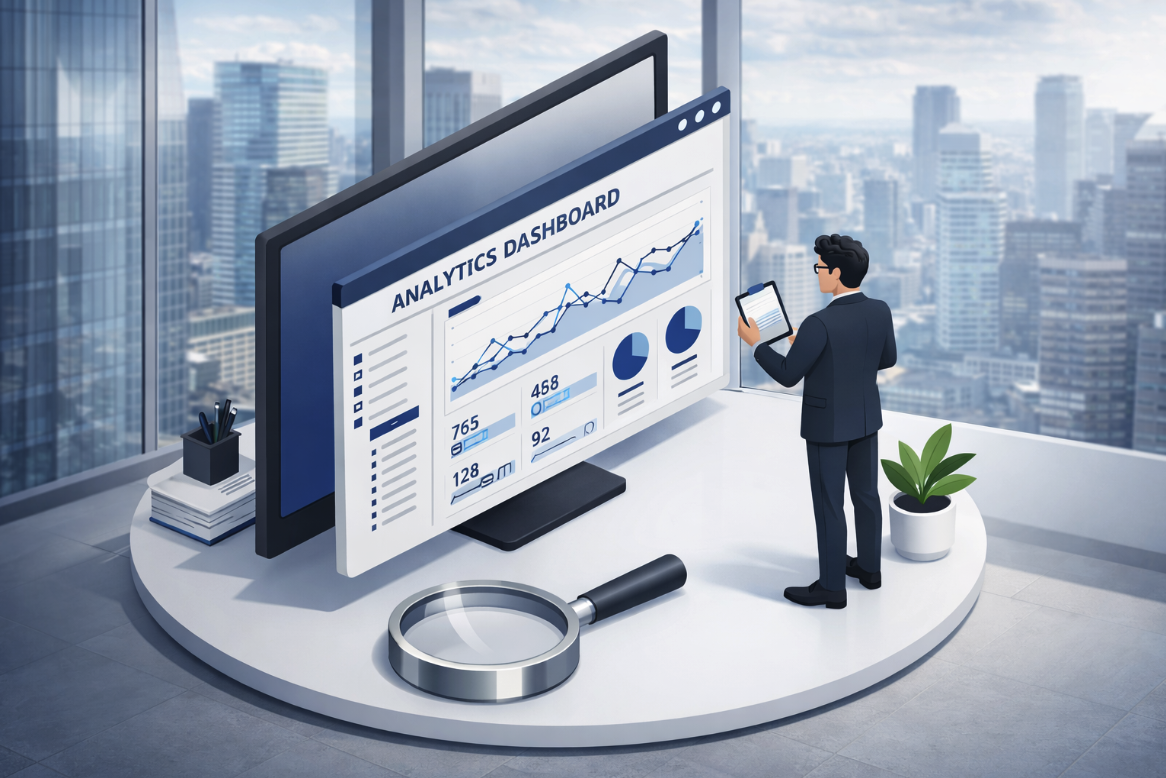
Modern consumers enjoy the convenience of online shopping. They can browse products, compare prices, read reviews, and even get purchase recommendations via social media anytime, anywhere. Online shopping not only saves time but also lowers decision-making costs. Compared to offline experiences, consumers’ attention and purchasing decisions are increasingly driven by digital channels. This trend means that even with high-quality products, without sufficient exposure and traffic, sales may not increase.
Why Traffic is More Important Than Products
Why has traffic become even more important than the product itself in the e-commerce era? Online channels can amplify a company’s reach dozens or even hundreds of times. A single targeted ad can reach thousands of potential customers, whereas the exposure and foot traffic of a physical store are limited by location and operational costs.
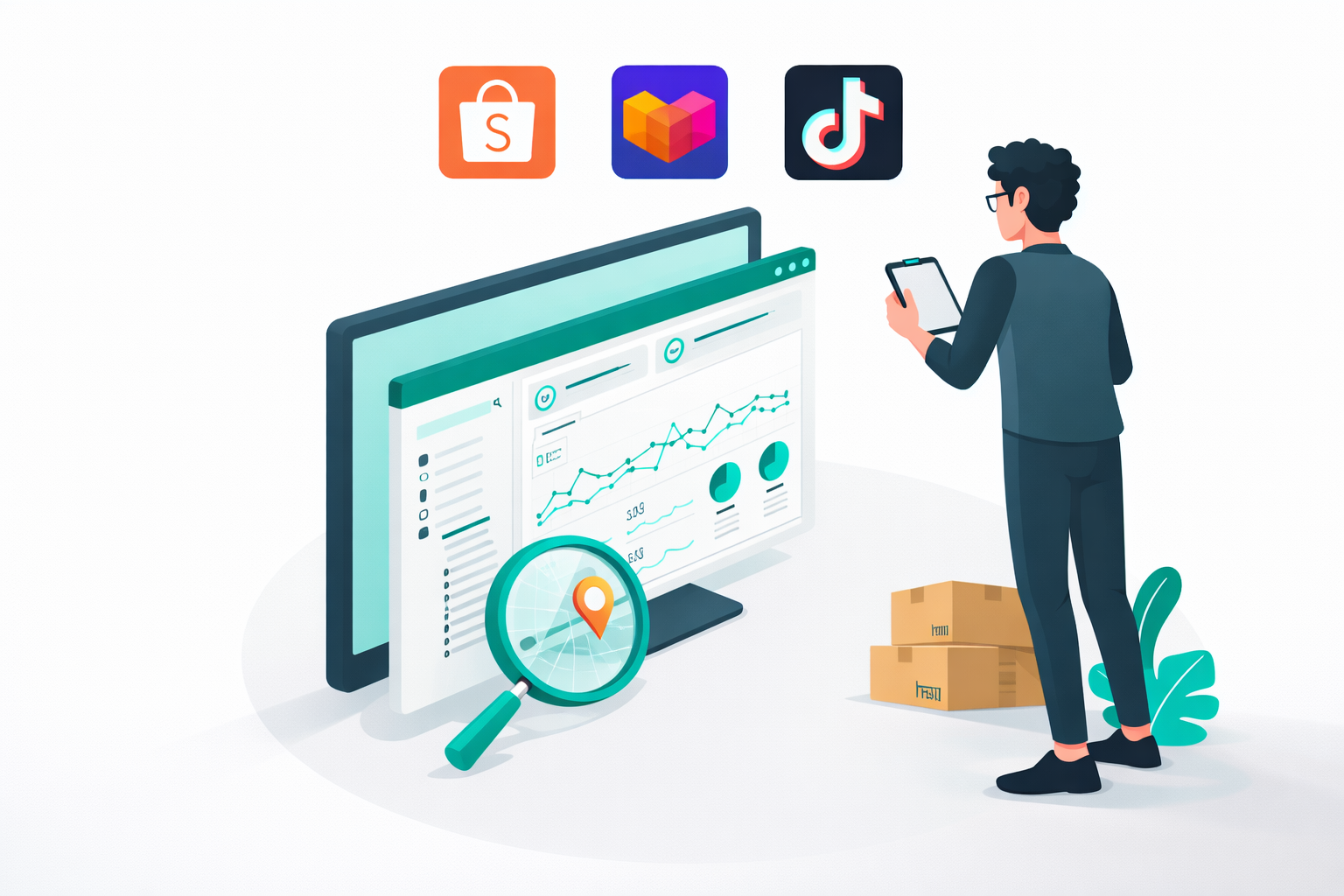
The IPSOS report highlights that Shopee remains the market leader in Malaysia, while TikTok 商店 is rapidly rising through social discovery and authentic reviews. As platform competition intensifies, acquiring high-quality traffic, optimizing exposure paths, and increasing user engagement have become core strategies for business survival.
Online traffic also offers trackable and optimizable advantages. Companies can analyze ad performance, user behavior, and conversion paths in real-time to optimize ROI. In contrast, offline marketing is costly—store rent, labor, and inventory pressure make it difficult to match the efficiency of online channels.
How Businesses Should Respond: Capturing Traffic is Key
To respond to shifting consumer behavior, businesses need to shift their strategic focus from simply building products to acquiring traffic and optimizing conversions. Key strategies include:
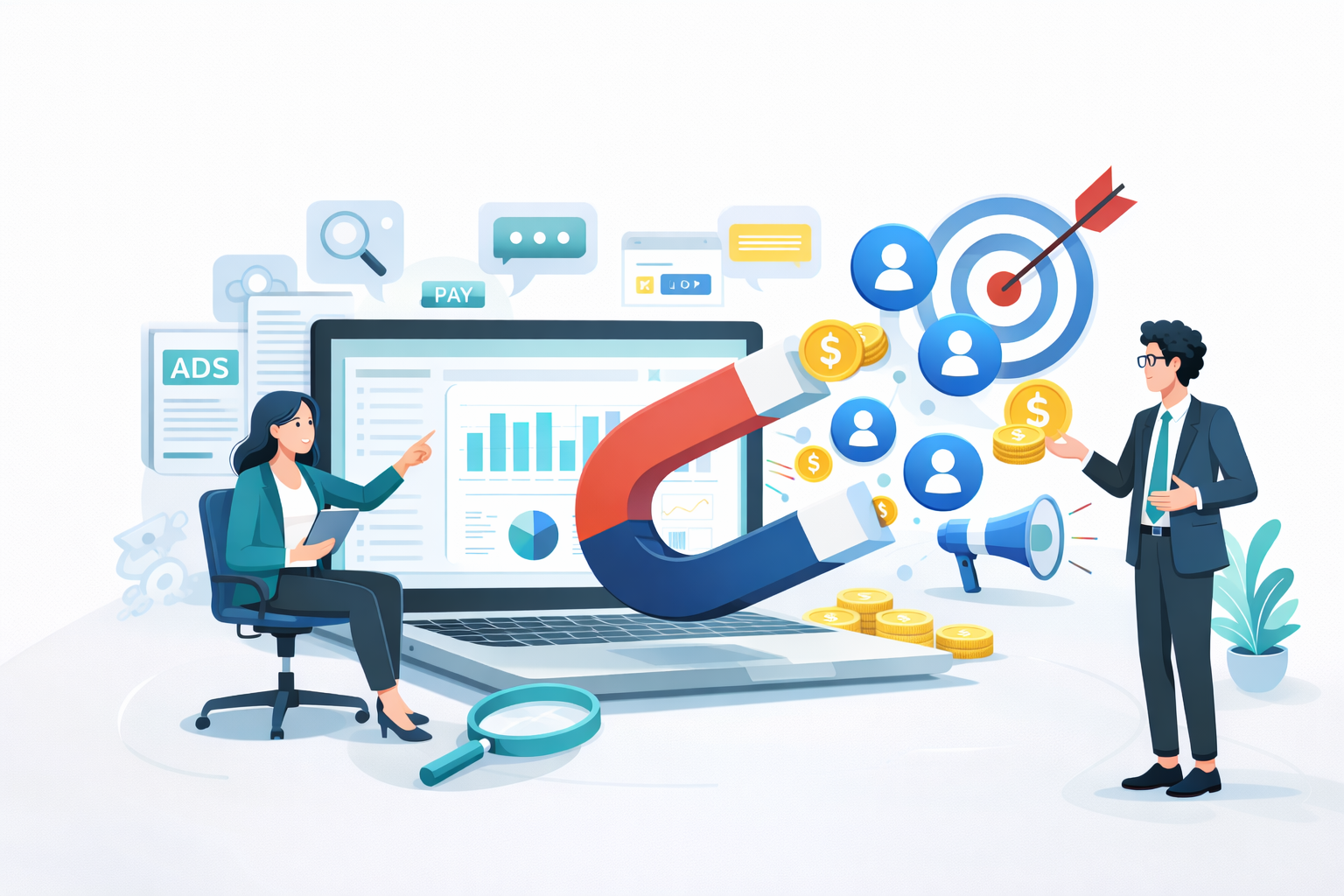
- Digital Channel Strategy
Use social media advertising, content marketing, SEO, and KOL/influencer partnerships to drive traffic. - Data-Driven Optimization
Analyze user sources, behavior paths, and conversion data to continuously optimize ad campaigns and reach. - Integrating Online and Offline Resources
Use online traffic to drive offline experiences or repeat purchases, creating a full omnichannel loop. - Customer Lifetime Value (LTV) Management
Focus not just on one-time purchases but also repeat rates and long-term customer value. Membership programs and targeted marketing can increase user loyalty. - Technology Tools Application
CRM, advertising platforms, and analytics tools help businesses capture traffic precisely and optimize marketing ROI.